How to Host Fika: A Simple Coffee-and-Cake Pause
- Make the pause the main thing
- Use a five-part plan
- Send a clear invitation
- Serve one bake well
- Ask about allergens before buying ingredients
- Offer coffee without making caffeine compulsory
- Set the table for reach and conversation
- Use a simple 60-minute flow
- Prepare in reverse order
- Close without turning guests into movers
- Keep the Swedish context visible and the performance light
Make the pause the main thing
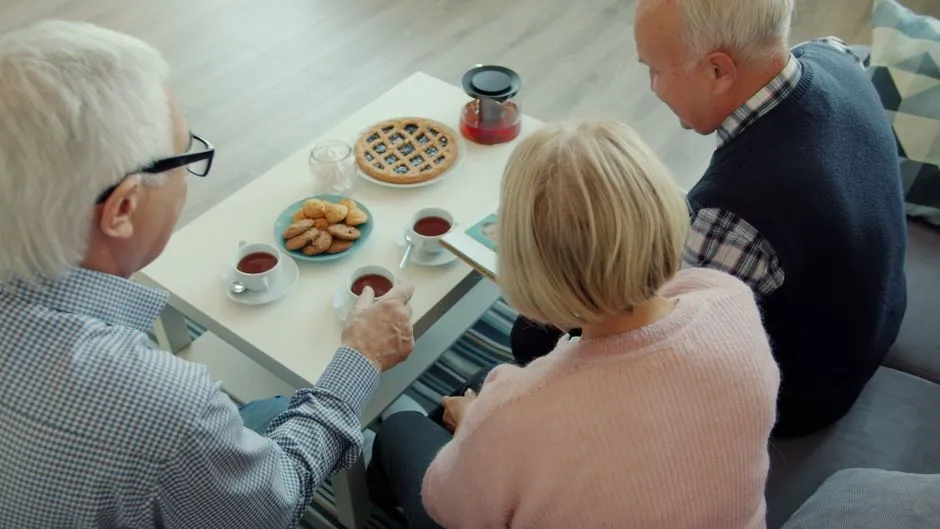
To host fika, invite people for a clear 45- to 75-minute window, brew coffee, provide tea or a caffeine-free option, and serve one good bake with any needed dietary alternative. Put everything within reach, sit down, and let conversation be the activity. Fika is not improved by making the host vanish into the kitchen every seven minutes carrying another interpretation of cardamom.
Visit Sweden describes fika as a social Swedish coffee break, often with something sweet, and notes that the word can function as both noun and verb. Practices differ across Swedish homes, workplaces, and cafés. Credit that context and host a thoughtful version; do not announce that your table has achieved definitive Swedish authenticity.
Use a five-part plan
- Invite a small group with a start and end time.
- Ask privately about allergies, caffeine, access, and seating needs.
- Choose one main bake and one simple alternative if needed.
- Prepare drinks and table items before guests arrive.
- Sit down for most of the pause.
The format is deliberately modest. Fika can be elaborate, but abundance is not the entry requirement. One loaf cake, coffee, tea, and 50 unhurried minutes can be more hospitable than seven pastries and a host running a small logistics company.
Send a clear invitation
Name the event and its boundaries:
Come for coffee and cake on Sunday from 3:00 to 4:15. I’ll have filter coffee, tea, and cinnamon buns. Please tell me privately about allergies, caffeine preferences, or access needs.
That invitation creates a 75-minute window and gives guests useful information. It also lets someone decline without explaining their relationship to wheat in front of a group chat.
Fika can suit two people or a larger gathering. For a home table, four to eight often allows one conversation without becoming a moderated panel. This is an editorial suggestion, not a Swedish cultural rule.
Serve one bake well
Choose a bake that can be completed before guests arrive. Swedish-style cinnamon buns can be baked earlier and briefly refreshed. Kladdkaka benefits from full cooling and can be refrigerated for clean slicing.
Other appropriate choices include biscuits, a simple loaf cake, fruit, or a savoury sandwich. Visit Sweden identifies cinnamon buns as a familiar fika treat, but a private gathering does not require them.
Plan portions from the actual recipe yield. Twelve buns for six guests allow 12 ÷ 6 = 2 buns per person if every bun is served, but offering one first and keeping extras covered reduces waste and pressure. Rich cake can be sliced smaller.
Do not add a second bake unless it solves a real need or brings you pleasure. “The table looked empty” is often fixed by using a smaller plate.
Ask about allergens before buying ingredients
Request dietary information privately and early. Check every packaged label, including chocolate, cocoa, flavouring, spice blends, plant drinks, and bakery items. Ingredients and facilities change.
Prevent cross-contact with separate clean tools, boards, storage, and serving utensils where required. Do not describe food as allergen-free unless the ingredients and controls justify that claim. A decorative label cannot make a shared floury kitchen safe for a severe wheat allergy.
When risk is serious, let the guest say what is safe and offer the option to bring a trusted item. Hospitality includes not improvising confidence about somebody else’s health.
Offer coffee without making caffeine compulsory
Use the 30-to-500-gram pour-over for a small group, or use a suitable batch brewer according to its capacity and instructions. Record the brew ratio and prepare enough that the host can sit down.
Offer at least one of:
- decaffeinated coffee;
- black, green, or herbal tea;
- hot water and lemon;
- still or sparkling water;
- another non-alcoholic drink suited to the group.
Caffeine tolerance varies, and people may avoid it for sleep, pregnancy, medication, age, anxiety, or preference. Do not make medical recommendations; provide choice and let guests decide.
Serve hot drinks at a safe temperature, keep kettle cords and handles away from edges, and warn that vessels are hot. Use stable mugs people can lift comfortably.
Set the table for reach and conversation
Place cups, napkins, water, and food where people can reach them without passing hot pots across faces. Use a small tray for milk or plant drink, sugar, spoons, and waste.
Seat people with enough back support and clear movement space. Avoid low coffee tables as the only surface if guests cannot bend safely. Good light should illuminate faces and food without glare.
Flowers, candles, and textiles are optional. Keep flames away from sleeves, paper, children, pets, and crowded serving areas. Scented candles can interfere with coffee aroma and may bother guests; an extinguished candle has never ruined a friendship.
Use a simple 60-minute flow
| Time | What happens |
|---|---|
| 0:00–0:10 | Arrivals, water, first drinks |
| 0:10–0:20 | Serve the bake and refill drinks |
| 0:20–0:50 | Sit, eat, and talk |
| 0:50–1:00 | Final refill, pack leftovers, close gently |
This is not a ceremony. It prevents the host from serving food just as everyone needs to leave. Extend or shorten it for your people and context.
Conversation does not need prompt cards, but a new group may appreciate one open question: “What has been unexpectedly good this week?” Avoid forcing personal disclosure. Silence while people taste cake is also a perfectly functional social event.
Prepare in reverse order
Work backwards from arrival:
- Day before: confirm needs, bake items that improve overnight, set out non-food objects.
- Two hours before: finish baking, cool safely, check bathroom and seating.
- Thirty minutes before: portion shelf-stable food, fill kettle, weigh coffee, prepare tea.
- On arrival: brew or serve the first drinks.
Perishable food belongs in the refrigerator at 40°F (4.4°C) or below until service. FDA guidance limits perishable food at room temperature to 2 hours, or 1 hour above 90°F (32.2°C). Record when cream, egg-rich cake, cut fruit, or other perishables leave temperature control.
Use small plates and replenish rather than leaving every item out. Return milk, cream, and leftovers promptly. Do not rely on a cool-looking jug.
Close without turning guests into movers
Ten minutes before the end, offer a final drink and mention the time: “I’m making one last tea before we finish at four.” That helps guests transition without a theatrical clearing of plates.
Pack safe leftovers only for people who want them, label allergens, and state whether refrigeration is required. Discard perishables that exceeded safe time limits.
Leave most washing until after guests depart. A fika table can contain used cups and still be hospitable. The host sitting down is not a lapse in service; it is the part that makes the coffee break social.
Keep the Swedish context visible and the performance light
Use the word fika with credit: it names a Swedish cultural practice, not merely a palette of beige mugs. Read Swedish sources, pronounce terms as carefully as you can, and avoid inventing customs, etymologies, or claims that “Swedes always” follow one rule.
Then relax. Serve a measured coffee, a bake that is safely cooked, and enough time for people to notice one another. The pause is the recipe, which is inconveniently difficult to photograph and pleasantly easy to share.